Gluten Free Irish Potato Bread
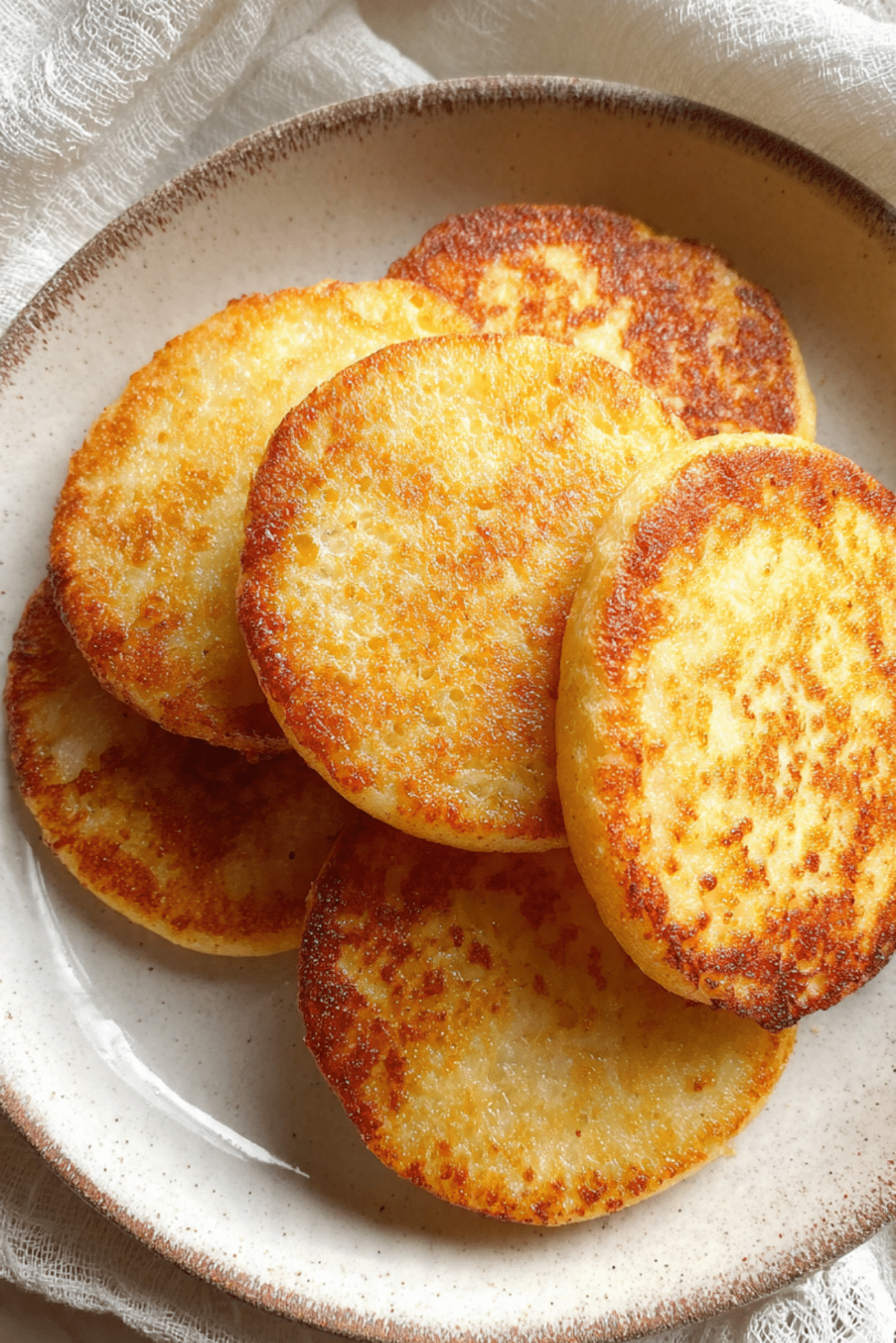
There’s something deeply comforting about the aroma of freshly griddled bread wafting through the kitchen. Especially when it’s soft, buttery, and made from humble mashed potatoes. This gluten free Irish potato bread brings a hearty charm that feels like a warm hug on a rainy day. Whether you’re slicing it warm to slather on butter or serving it as a cozy side dish, this one’s worth every bite.
Behind the Recipe
This recipe was born from one of those delightful kitchen moments where leftovers sparked something new. I had a bowl of mashed potatoes from last night’s dinner, and instead of letting them sit in the fridge, I thought, “What if I turn these into something fresh and warm?” The answer was this soft, slightly crisp Irish-style bread that came together like a little baking miracle on the stovetop.
Recipe Origin or Trivia
Irish potato bread, also known as “fadge” or “potato farl” in different regions of Ireland, dates back generations. Traditionally made with leftover mashed potatoes, it was a way to stretch food and make use of every last bit. The bread is usually cooked on a griddle or frying pan, giving it that signature golden crust and tender inside. It’s a staple of the traditional Irish breakfast and often served alongside eggs, sausages, and black pudding.
Why You’ll Love Gluten Free Irish Potato Bread
There’s something special about the simplicity and satisfaction of this recipe.
Versatile: Enjoy it for breakfast, lunch, or as a side with dinner. It pairs with everything.
Budget-Friendly: Made mostly from pantry staples and leftovers, it keeps costs low.
Quick and Easy: No yeast, no rising time. Just mix, shape, and griddle.
Customizable: Add herbs, cheese, or spices to make it your own.
Crowd-Pleasing: Everyone loves warm, fresh bread with a soft center and crispy edges.
Make-Ahead Friendly: You can mix and shape the dough ahead and cook later.
Great for Leftovers: Got mashed potatoes? You’ve got the perfect start.
Chef’s Pro Tips for Perfect Results
Want that perfect griddle bread texture? Here’s how to make it happen.
- Use Cold Mashed Potatoes: Cold mashed potatoes hold their shape better and blend more evenly into the dough.
- Don’t Overwork the Dough: Mix just until combined to keep it soft and tender.
- Flour the Surface Generously: Gluten-free dough is sticky, so a well-floured surface is essential for shaping.
- Cook Low and Slow: Use medium-low heat to avoid burning the outside before the inside is cooked.
- Butter is Your Friend: Lightly butter the griddle for that golden crust and extra flavor.
Kitchen Tools You’ll Need
You won’t need a lot of fancy equipment, just a few basics.
Mixing Bowl: For combining your ingredients smoothly.
Fork or Potato Masher: To mash or fluff your potatoes if needed.
Measuring Cups and Spoons: Accuracy is key, especially with gluten-free baking.
Rolling Pin: Helps shape the dough into a neat round.
Skillet or Griddle: A nonstick surface gives the best golden finish.
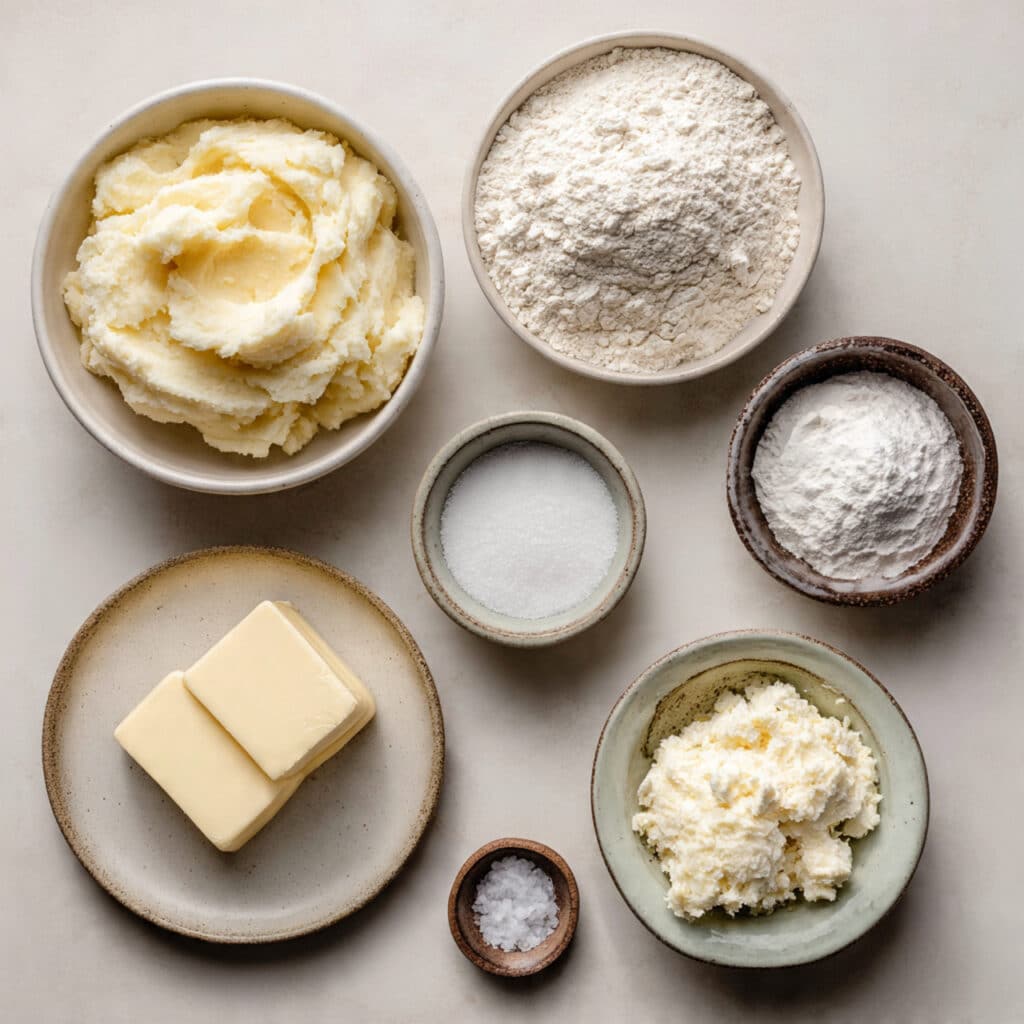
Ingredients in Gluten Free Irish Potato Bread
These ingredients work in perfect harmony to create a bread that’s crisp on the outside and pillowy on the inside.
- Leftover Mashed Potatoes: 2 cups
The base of the dough, adding moisture and soft texture. - Gluten-Free All-Purpose Flour: 1 cup (plus extra for dusting)
Gives structure to the dough and binds everything together. - Baking Soda: 1/2 teaspoon
Provides lift and a tender crumb. - Salt: 1/2 teaspoon
Enhances the flavor and balances the richness of the potatoes. - Unsalted Butter: 2 tablespoons (softened or melted)
Adds richness and helps with browning on the skillet. - Buttermilk: 2–4 tablespoons (as needed)
Adds moisture and a slight tang that complements the potatoes.
Ingredient Substitutions
Sometimes you’ve got to work with what you have. Here are a few easy swaps.
Gluten-Free All-Purpose Flour: Almond flour or oat flour (texture will vary).
Buttermilk: Mix milk with a splash of lemon juice or use plain yogurt.
Unsalted Butter: Use olive oil or a dairy-free butter alternative.
Baking Soda: In a pinch, baking powder can work (double the amount).
Ingredient Spotlight
Mashed Potatoes: These are the heart of this bread. Their soft, fluffy texture makes the dough pliable and gives the bread that pillowy inside. Leftover mashed potatoes that are already seasoned work beautifully.
Gluten-Free Flour: The right gluten-free blend is essential for structure and texture. Look for a mix that includes rice flour, tapioca starch, or potato starch for best results.
Instructions for Making Gluten Free Irish Potato Bread
Let’s bring this rustic beauty to life with just a few simple steps.
1. Preheat Your Equipment:
Set a skillet or griddle over medium-low heat. Lightly grease with butter or oil.
2. Combine Ingredients:
In a large bowl, mix mashed potatoes, gluten-free flour, baking soda, salt, and softened butter. Stir gently until combined. If needed, add buttermilk one tablespoon at a time until the dough holds together but is not sticky.
3. Prepare Your Cooking Vessel:
Sprinkle some gluten-free flour on your work surface. Dust your hands and rolling pin too.
4. Assemble the Dish:
Turn the dough onto the floured surface. Pat or roll into a round about 1/2-inch thick. Cut into quarters or sixths.
5. Cook to Perfection:
Place the pieces on the hot skillet. Cook for about 4–5 minutes per side, or until golden brown and cooked through.
6. Finishing Touches:
Optional: Brush with a little melted butter or sprinkle with herbs before serving.
7. Serve and Enjoy:
Serve warm as a side dish, snack, or even breakfast with eggs or jam.
Texture & Flavor Secrets
This bread strikes the perfect balance between a crispy golden crust and a soft, creamy interior. The mashed potatoes keep things moist and rich, while the griddle cooking creates those satisfying browned spots that add depth and a hint of crispiness with every bite.
Cooking Tips & Tricks
Here’s how to make your bread even better.
- Let the dough rest for 5–10 minutes before cooking to help flavors meld.
- Use a nonstick skillet or a seasoned cast iron pan for best results.
- If dough feels too sticky, add a little extra flour while shaping.
- Try adding chopped scallions or shredded cheese for a tasty twist.
What to Avoid
A few common pitfalls to watch for.
- Don’t use hot mashed potatoes. It makes the dough too wet and sticky.
- Avoid overmixing the dough or it may become tough.
- Don’t cook on high heat or the outside will burn before the inside is done.
Nutrition Facts
Servings: 6
Calories per serving: 170
Note: These are approximate values.
Preparation Time
Prep Time: 10 minutes
Cook Time: 10 minutes
Total Time: 20 minutes
Make-Ahead and Storage Tips
If you’re thinking ahead, this recipe is super accommodating. You can prep the dough up to a day in advance and store it in the fridge, tightly wrapped. After cooking, let the bread cool completely before storing in an airtight container. It will keep for 3–4 days. To freeze, layer pieces between parchment paper and seal in a freezer-safe bag. Reheat in a skillet or toaster oven to bring back that just-cooked magic.
How to Serve Gluten Free Irish Potato Bread
This bread is incredibly versatile when it hits the table. Serve it with eggs for a comforting breakfast, as a hearty side to soups and stews, or with a pat of butter and a sprinkle of sea salt for a simple snack. It’s also perfect with a slice of sharp cheese or alongside a crisp salad.
Creative Leftover Transformations
Leftovers? Lucky you. Here are some ways to make them shine again.
- Toast and top with avocado and chili flakes for a gluten-free breakfast twist.
- Use as a base for mini open-faced sandwiches or sliders.
- Dice and crisp in a skillet to make gluten-free croutons for salads.
Additional Tips
- If your mashed potatoes are already seasoned, reduce added salt slightly.
- Dust your knife with flour when cutting the dough to prevent sticking.
- Let the cooked bread rest for a couple of minutes before slicing—it helps hold the shape.
Make It a Showstopper
Presentation matters, especially when serving guests. Stack the quarters or rounds on a rustic board, add a ramekin of softened butter or herbed spread in the center, and sprinkle with chopped herbs for a fresh, inviting look. Serve with a linen napkin and a warm smile.
Variations to Try
- Cheesy Twist: Add 1/2 cup shredded sharp cheddar to the dough.
- Herb Infused: Mix in 1 tablespoon chopped rosemary or thyme.
- Spiced Up: Add a pinch of garlic powder or smoked paprika.
- Vegan Version: Use plant-based butter and dairy-free milk with lemon juice.
- Mini Bites: Cut into smaller rounds for party snacks or lunchbox fillers.
FAQ’s
Q1: Can I make this recipe without butter?
A1: Yes, you can substitute olive oil or a dairy-free butter alternative.
Q2: Do I need to use buttermilk?
A2: You can use regular milk with a splash of lemon juice or vinegar as a substitute.
Q3: Can I freeze the dough?
A3: Absolutely. Wrap it well and freeze for up to a month. Thaw before cooking.
Q4: Is this bread meant to rise?
A4: No, it’s a quick bread and won’t rise much. That’s what gives it its dense, soft texture.
Q5: Can I use sweet potatoes instead?
A5: Yes, sweet potatoes will give it a different flavor and color but work well.
Q6: Can I cook this in the oven instead of a skillet?
A6: It’s best on a skillet, but you can bake it at 375°F for about 15–20 minutes if needed.
Q7: Why is my dough too sticky?
A7: It might need more flour or your mashed potatoes may have had too much moisture.
Q8: Can I add mix-ins like cheese or herbs?
A8: Definitely! Just keep the total amount reasonable so the dough holds together.
Q9: What’s the best way to reheat?
A9: Reheat on a skillet or in a toaster oven for the best texture.
Q10: Can I use store-bought mashed potatoes?
A10: You can, but make sure they’re not overly creamy or runny for best results.
Conclusion
If you’re craving something hearty, easy, and oh-so-satisfying, this gluten free Irish potato bread is calling your name. It’s the kind of recipe that brings comfort, flavor, and just a little bit of old-world charm to your kitchen. Trust me, you’re going to love this.
Print
Gluten Free Irish Potato Bread
- Prep Time: 10 minutes
- Cook Time: 10 minutes
- Total Time: 20 minutes
- Yield: 6 servings 1x
- Category: Bread
- Method: Skillet
- Cuisine: Irish
- Diet: Gluten Free
Description
Warm, crispy-edged gluten free Irish potato bread made from leftover mashed potatoes. Quick, comforting, and perfect for breakfast or as a hearty side.
Ingredients
- 2 cups leftover mashed potatoes
- 1 cup gluten-free all-purpose flour (plus extra for dusting)
- 1/2 teaspoon baking soda
- 1/2 teaspoon salt
- 2 tablespoons unsalted butter (softened or melted)
- 2–4 tablespoons buttermilk (as needed)
Instructions
- Preheat a nonstick skillet or griddle over medium-low heat and lightly grease with butter or oil.
- In a large bowl, combine mashed potatoes, gluten-free flour, baking soda, salt, and softened butter. Stir until a soft dough forms. Add buttermilk as needed to bring the dough together.
- Dust a surface with gluten-free flour. Turn out the dough and pat or roll into a 1/2-inch thick round. Cut into quarters or sixths.
- Place the pieces onto the preheated skillet and cook for 4–5 minutes per side, until golden brown and cooked through.
- Optional: brush with melted butter and sprinkle with herbs. Let rest a few minutes before serving.
- Serve warm as a snack, breakfast side, or hearty bread option.
Notes
- Use cold mashed potatoes for best texture.
- If dough is too sticky, add more flour a little at a time.
- Add herbs, cheese, or spices to customize flavor.
- Store leftovers in an airtight container and reheat in a skillet or toaster oven.
Nutrition
- Serving Size: 1 piece
- Calories: 170
- Sugar: 1g
- Sodium: 200mg
- Fat: 6g
- Saturated Fat: 3g
- Unsaturated Fat: 2g
- Trans Fat: 0g
- Carbohydrates: 26g
- Fiber: 2g
- Protein: 3g
- Cholesterol: 12mg
Keywords: gluten free potato bread, Irish bread, mashed potato bread, easy skillet bread